Discover Baleal: Portugal’s Magical Sea‑Shaped Island Near Peniche
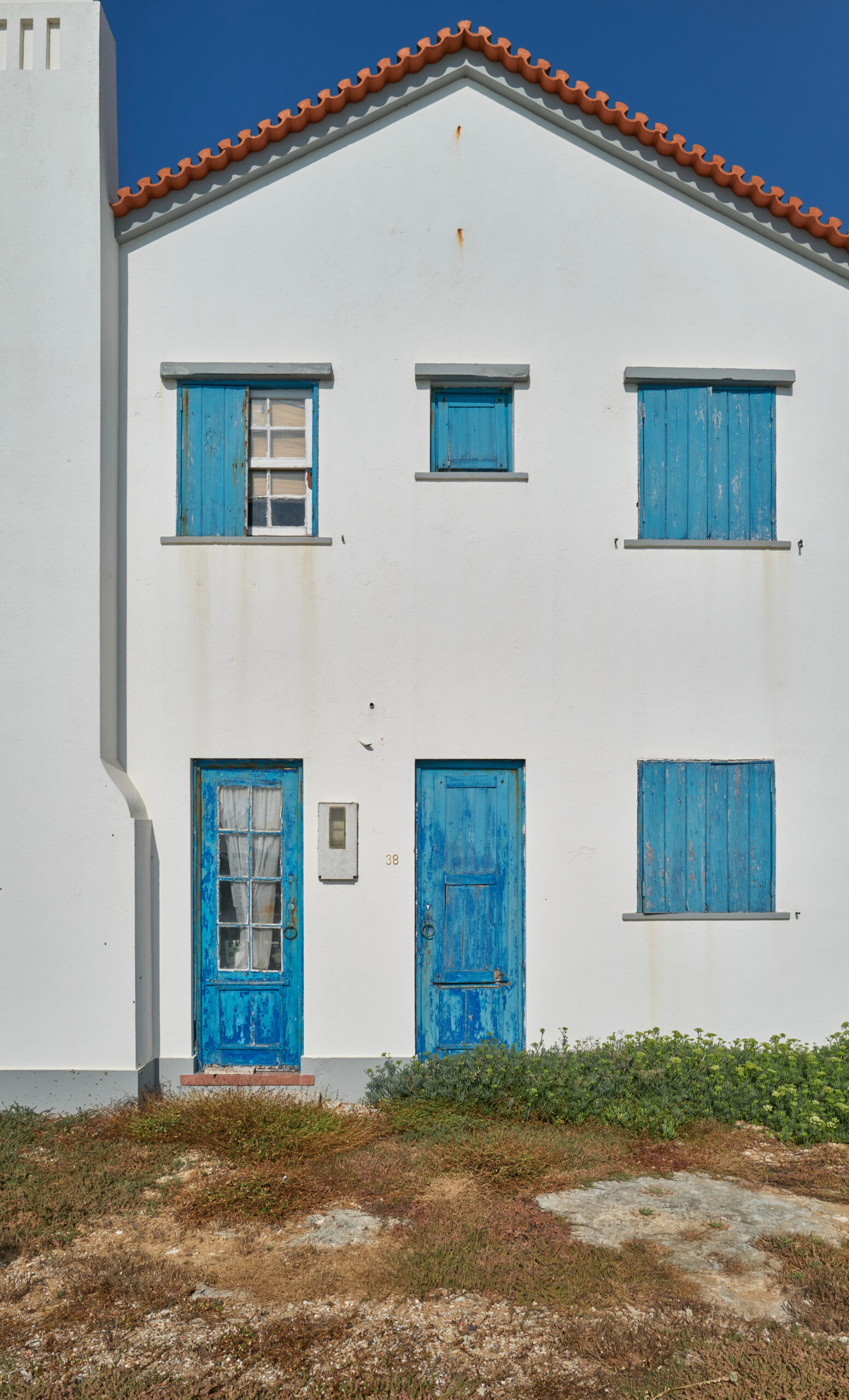
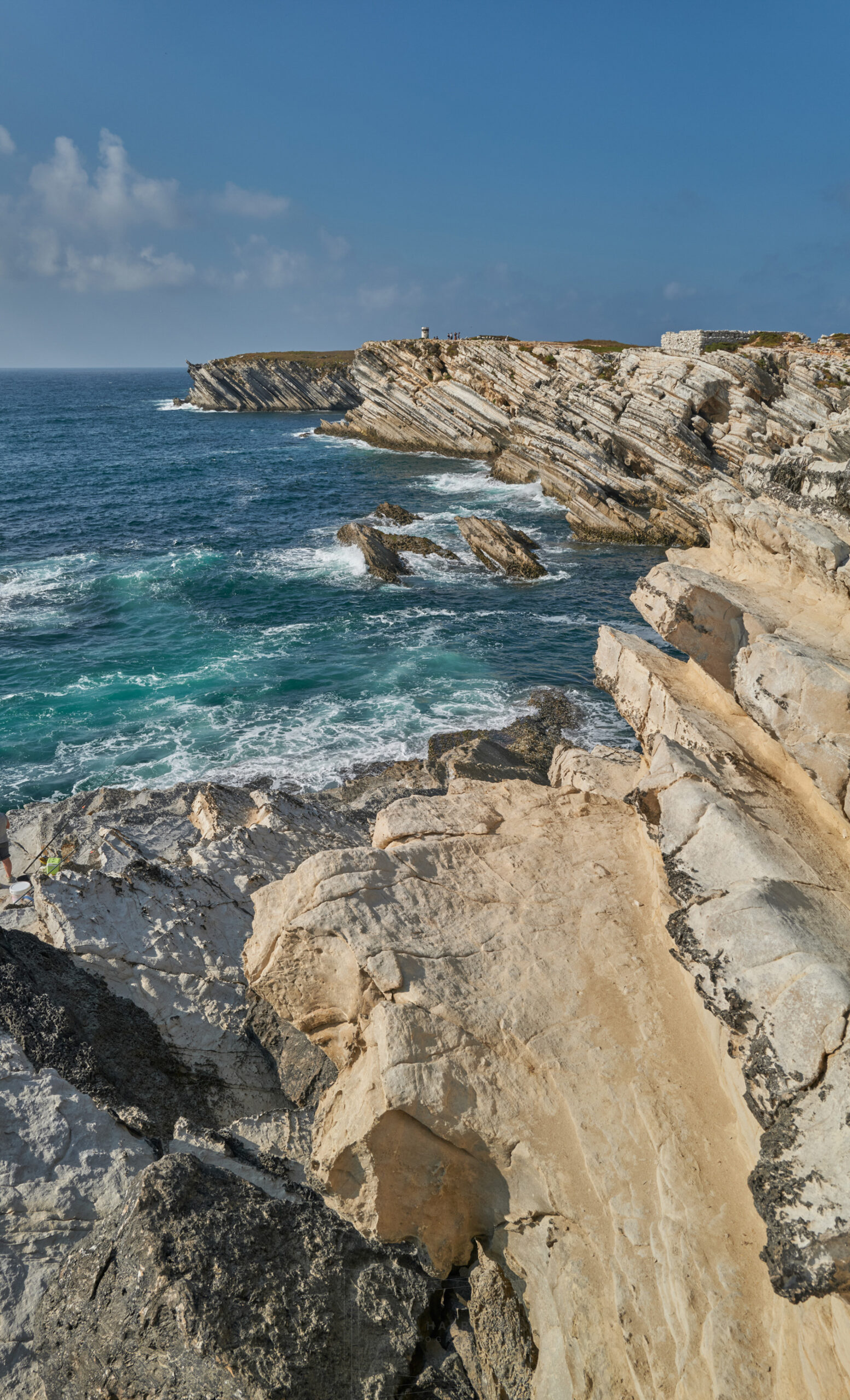
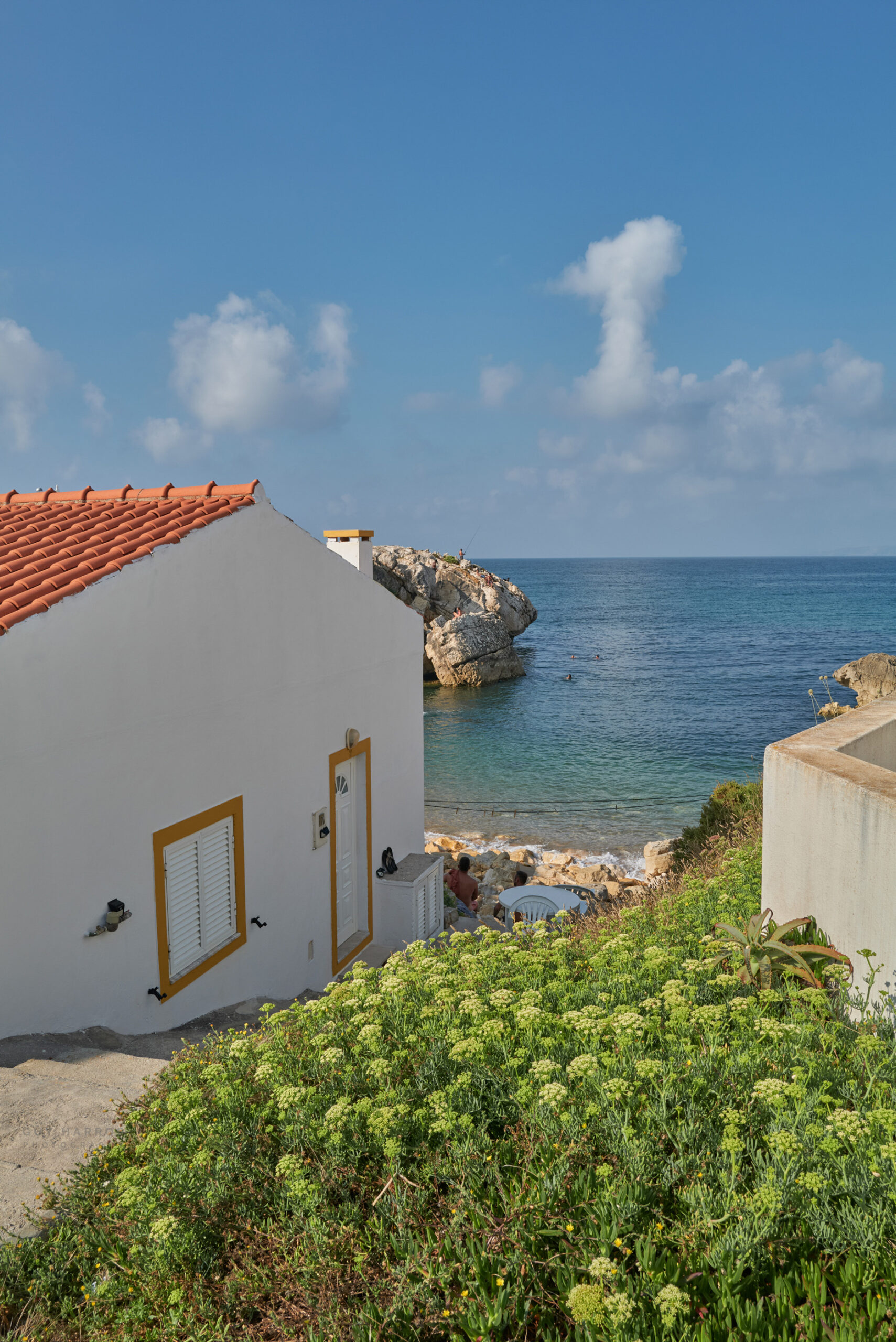
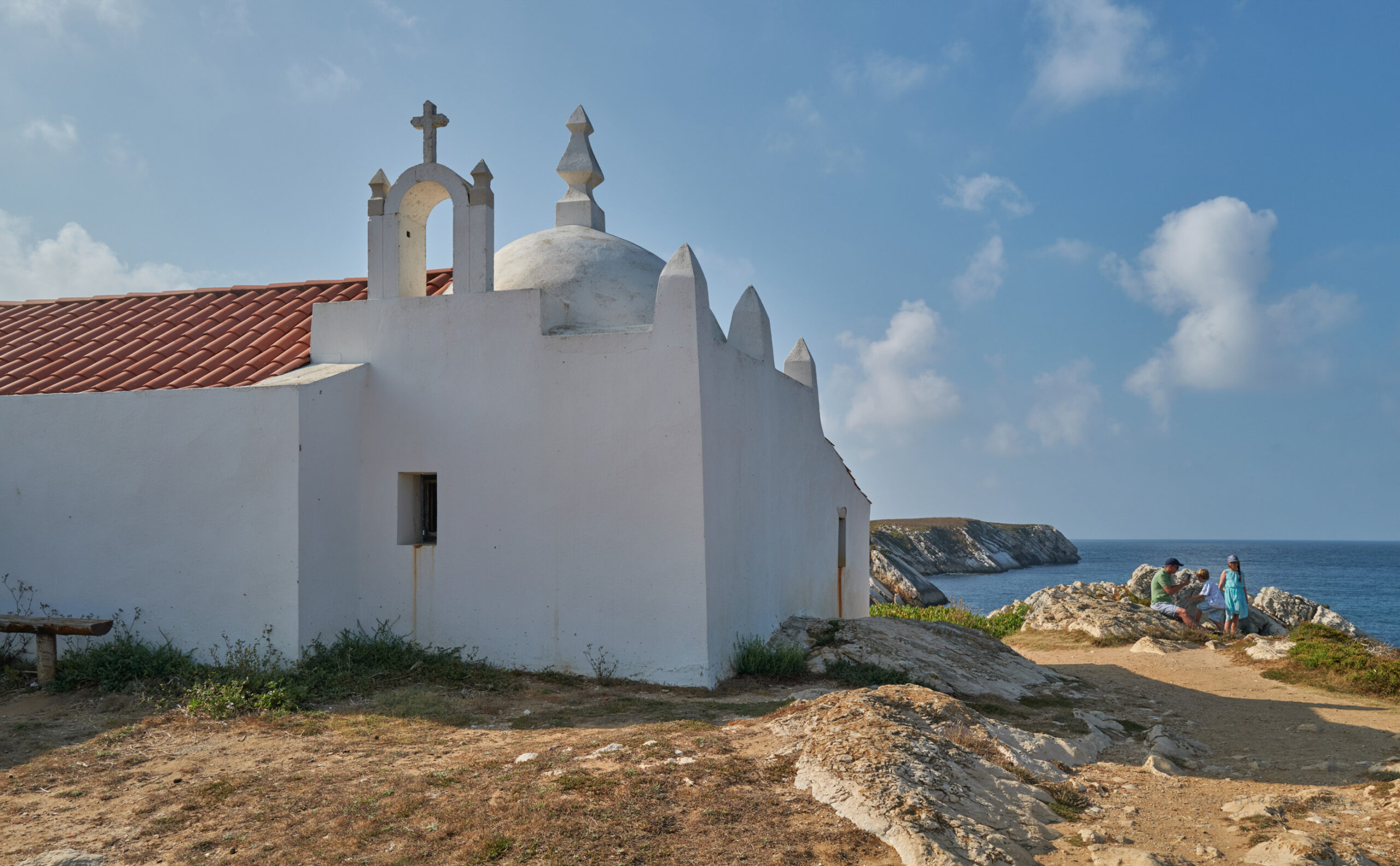
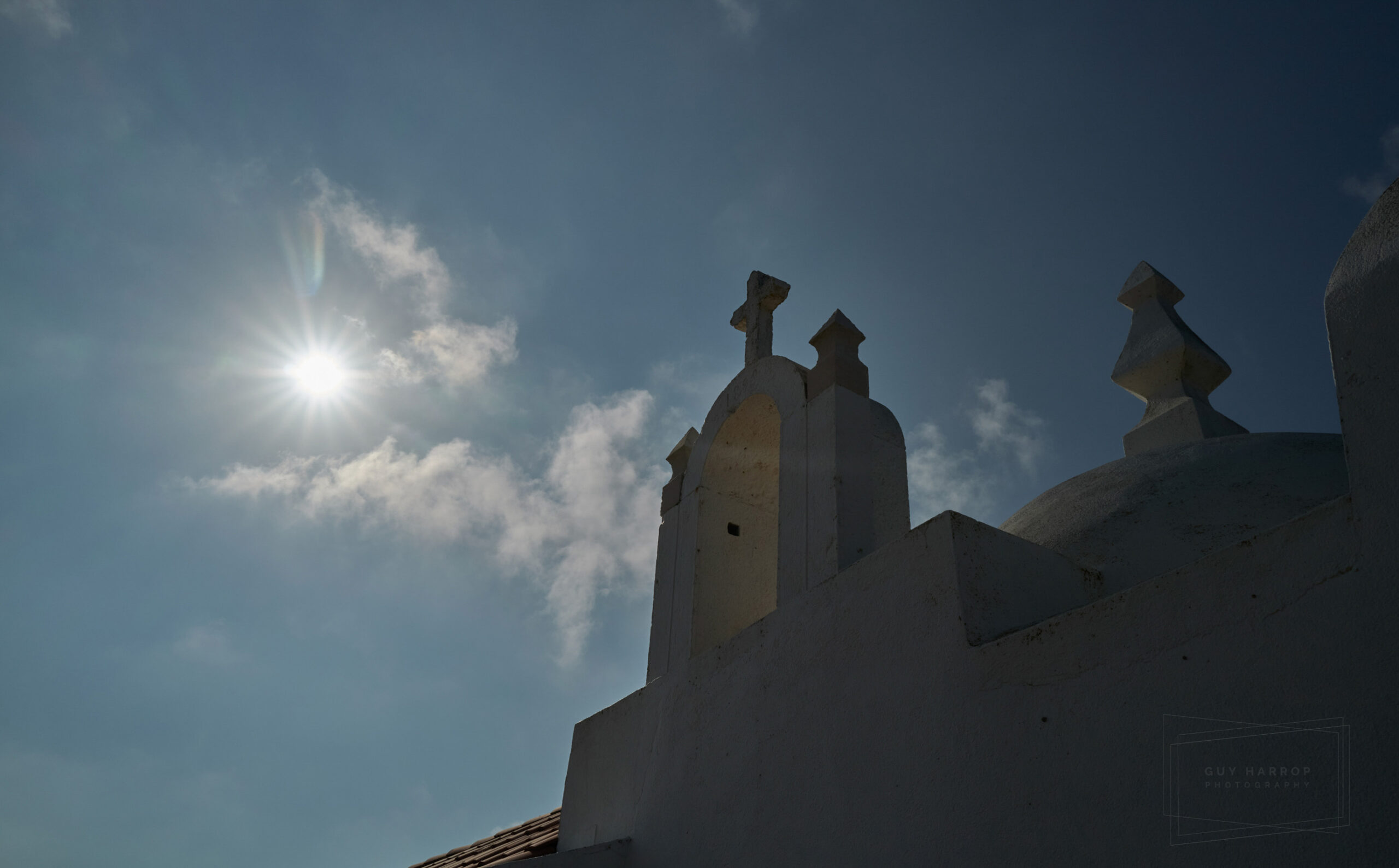
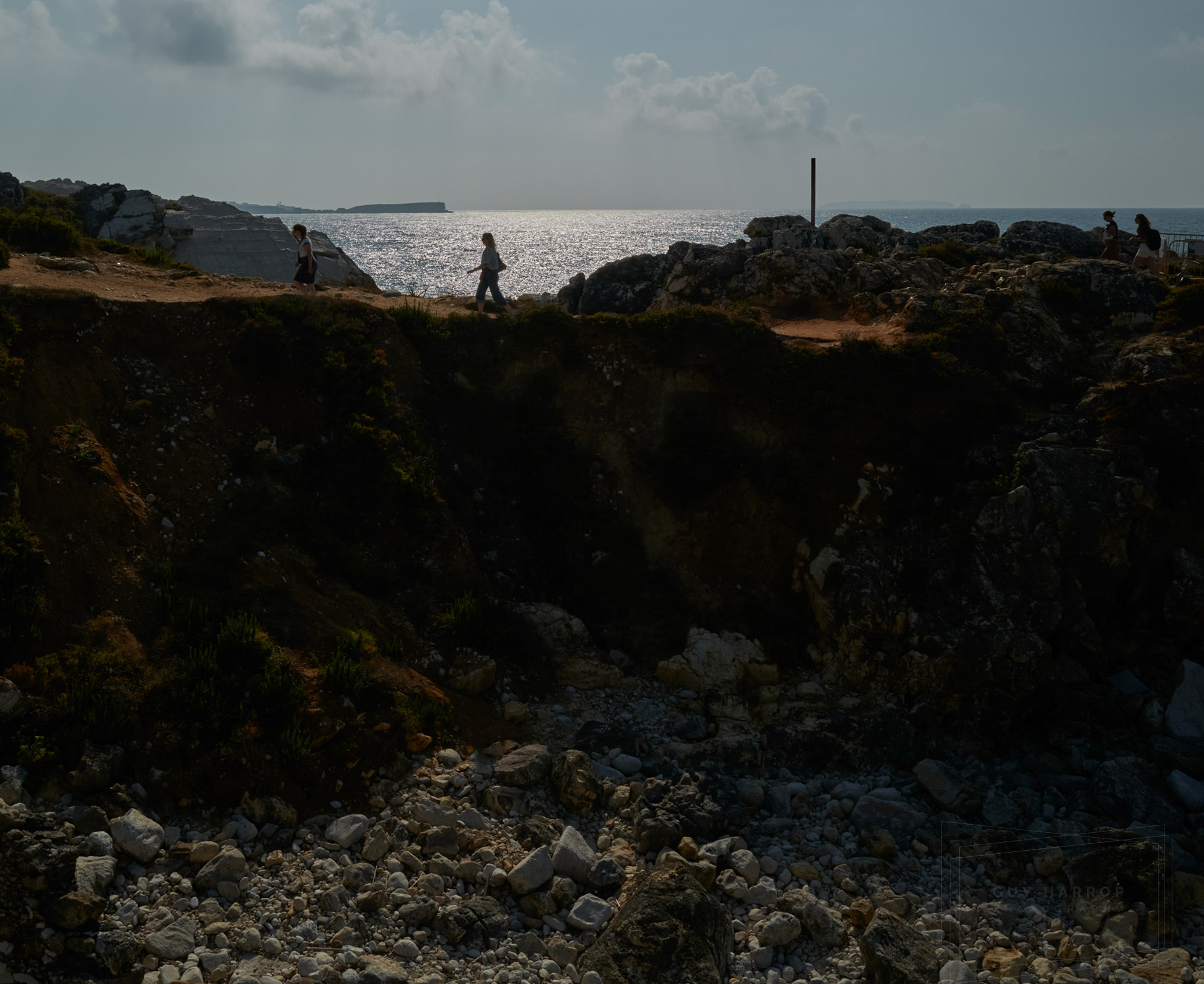
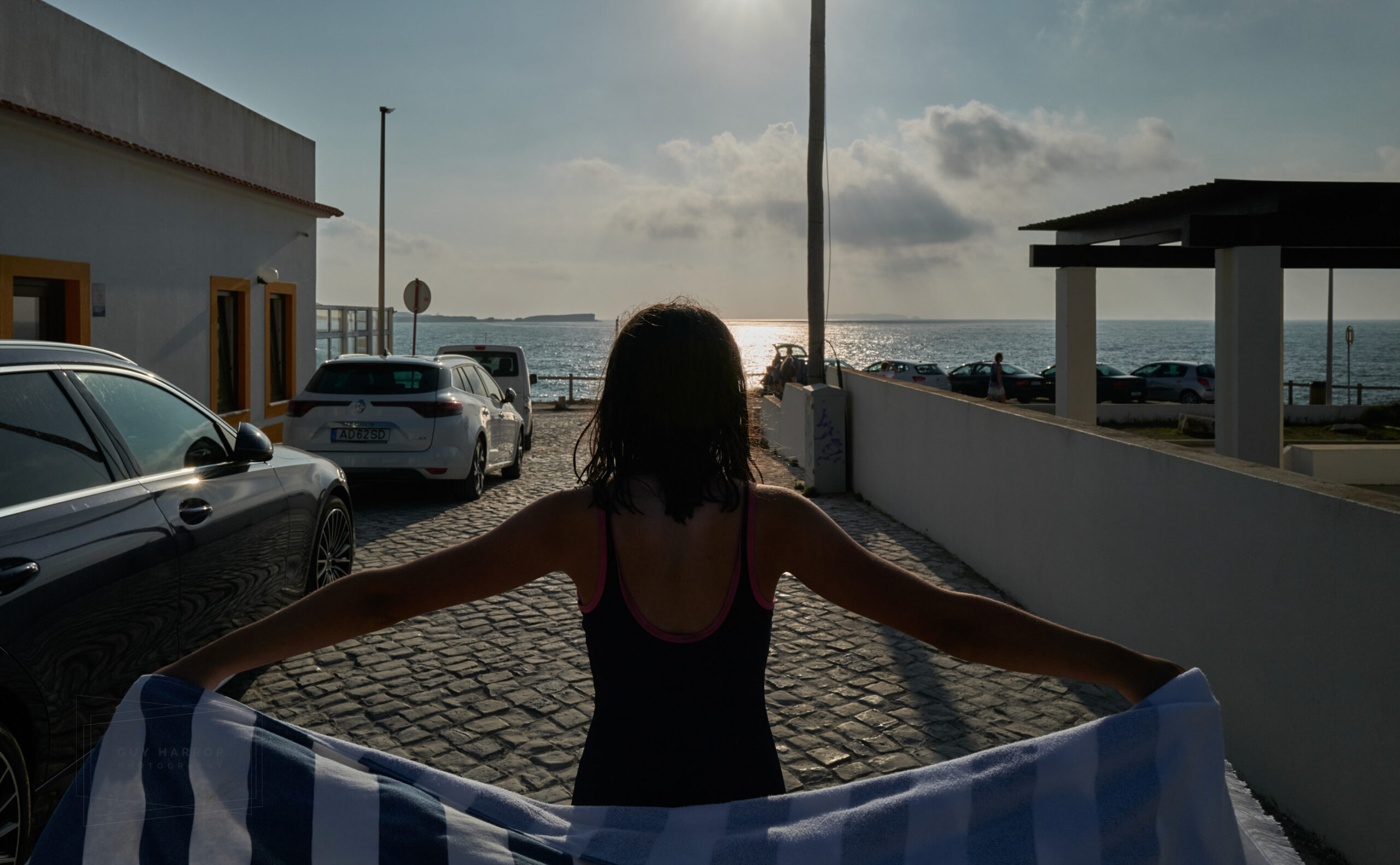
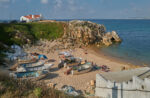
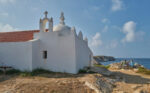
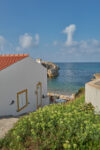
Baleal island sits just 3 kilometres north of Peniche along Portugal’s Oeste coast. This small sliver of island 800m long and 120m wide, reached by a narrow track resting on a spit of sand almost feels too delicate to be real.
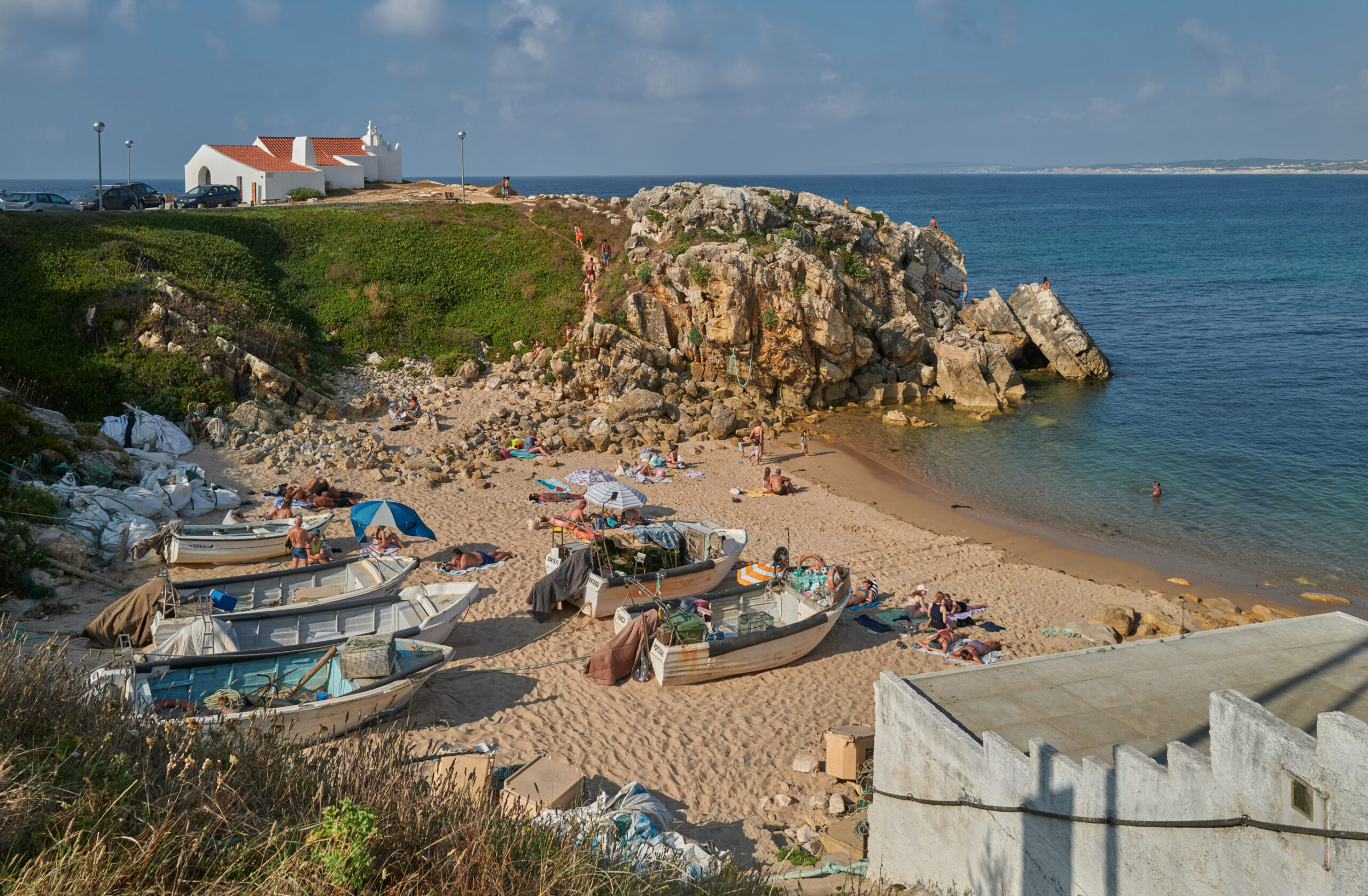
On one side of the island, long Atlantic swells roll in with the kind of rhythm surfers chase all year; on the other, the silvery white cliffs fall away into quiet coves and pale turquoise shallows. The sun is out and everyone is smiling. Old men play cards on the beach under umbrellas as the local teenagers line up to launch themselves off small cliffs, diving into the sea.
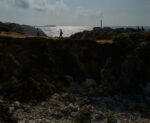
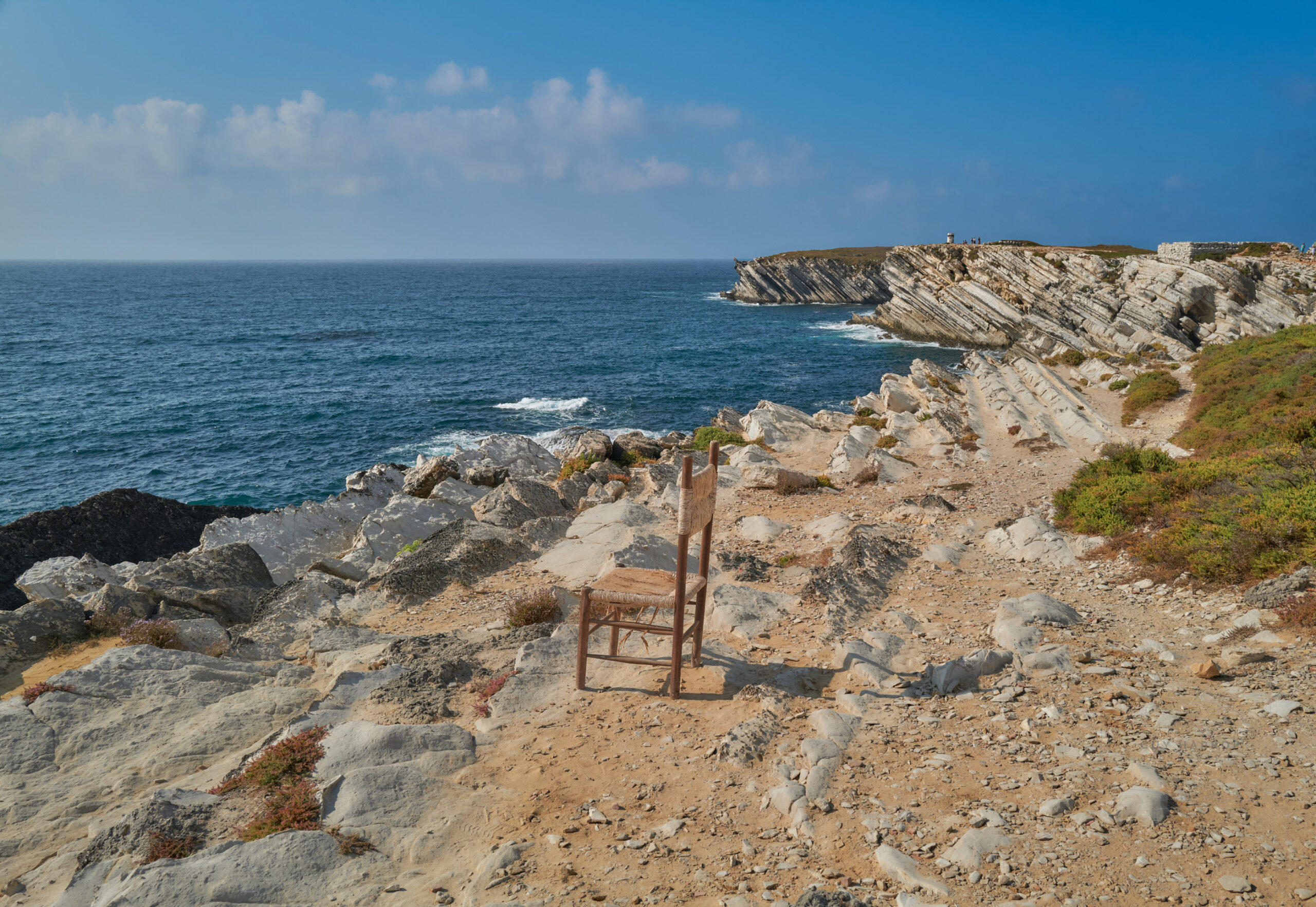
Walk across at first light and the whole place feels suspended. Fishing boats rest on the beach as if placed there by hand, their nets faded by salt and sun. A single chair stands at the edge of the headland, facing the open water — a small, human pause against the scale of the Atlantic. It’s the sort of detail Baleal does well: simple, unhurried, quietly beautiful.
Stay long enough and you start to understand why people return. The island may be small, yet time seems to pause. Skies drift, tides turn, and you’re left with that deep, quiet sense of being in a place shaped wholly by the sea and surrounded by its magical light.
The name Baleal comes from the Portuguese word for whale — baleia — a reminder of the island’s long connection to its whaling past. For centuries, this small outcrop served as a working site where whale hunters cut and carved their catch during the animals’ migratory route toward the northern seas. It was a hard, sea‑bound industry, woven into the rhythms of the Atlantic.
By the 15th or 16th century, the work came to an end. Sand gradually accumulated in the narrow channel between the island and the mainland, closing the passage and preventing whaling ships from entering the bay. As the channel changed, so did Baleal’s story — the whaling era faded, leaving only the name and a few quiet traces of what once happened on these shores.
A lone chair turned toward the Atlantic, braced against the elements. There’s something about it — simple, weathered, and quietly standing guard over Baleal’s cliffs and shifting tides.